The rotorcraft industry is grappling with a critical shortage of skilled technicians—a challenge that threatens to ground helicopters and disrupt operations worldwide. This article explores the root causes of the crisis, its impact across key specialties, and the strategies being deployed to rebuild the workforce.
A Perfect Storm: Why the Shortage Persists
The technician shortage stems from a combination of long-standing structural issues and recent disruptions:
- Aging Workforce: Over 35% of aviation maintenance technicians (AMTs) are aged 55–64. Many retire early, especially post-pandemic, and there’s no mandatory retirement age to regulate turnover.
- Declining Enrollment: FAA-certified A&P (Airframe & Powerplant) programs operate at only ~65% capacity due to instructor shortages and limited resources. Enrollment has steadily declined since the late 1990s.
- Pandemic Fallout: COVID-19 accelerated retirements and disrupted training pipelines. A 2023 report projected a shortfall of 12,000–18,000 mechanics in North America alone.
- Cultural Bias: Trade careers are often undervalued compared to four-year degrees, deterring younger generations from pursuing technician roles.
- Cross-Industry Competition: Automotive, defense, and tech sectors actively recruit aviation technicians for their transferable skills, further shrinking the talent pool.
Meanwhile, the global rotorcraft fleet continues to expand. Boeing’s 2024 Pilot and Technician Outlook projects a need for 716,000 maintenance technicians by 2042, with 123,000 required in the U.S. alone.
Breaking Down the Shortage by Field
Each technician specialty faces distinct pressures:
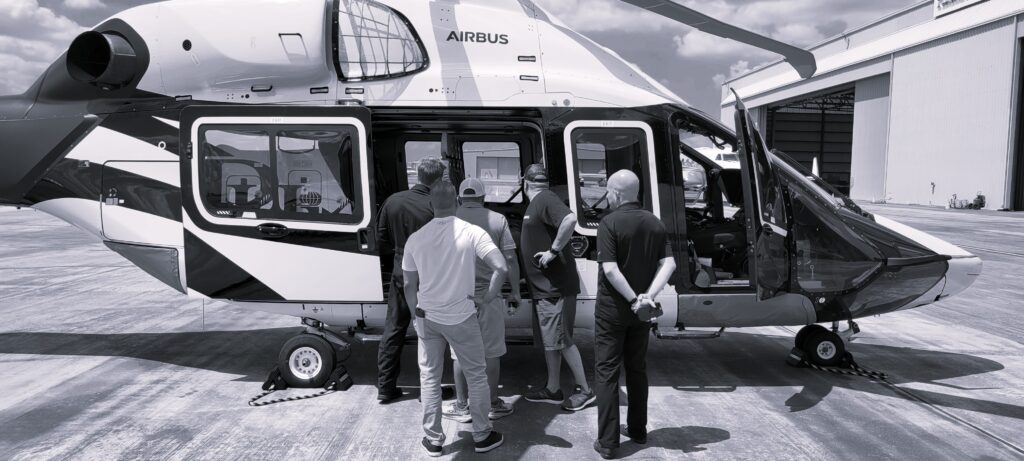
Mechanics (A&P)
- Scope: Responsible for rotor assemblies, gearboxes, transmissions, and powerplants.
- Challenges: Despite a 32% increase in new A&P certificates in 2023, the pipeline still falls short of demand.
- Impact: Aircraft downtime increases, and MRO costs rise due to labor scarcity.
Sheetmetal
- Scope: Handles structural repairs, especially critical in rotorcraft due to vibration-induced stress.
- Challenges: Skills are highly transferable to manufacturing and automotive industries, making recruitment and retention difficult.
- Impact: Longer repair cycles and structural integrity risks.
Avionics
- Scope: Manages advanced systems like fly-by-wire controls, sensors, and software integration.
- Challenges: Rapid tech evolution and demand from UAVs and next-gen rotorcraft outpace training capacity.
- Impact: Bottlenecks in deploying advanced rotorcraft and maintaining cybersecurity standards.
The Competitive Landscape
Securing and retaining skilled rotorcraft technicians is fiercely competitive:

- Major Employers: Airbus Helicopters, Lockheed Martin Sikorsky, and Leonardo offer signing bonuses, relocation packages, and fixed-wing training as incentives.
- Cross-Industry Pull: Tech firms, automakers, and even theme parks are poaching aviation talent to fill maintenance roles with compatible skillsets.
- Workplace Pressures: Long hours, physically demanding labor, and slow advancement lead to high turnover.
- Retention Solutions: Companies are investing in safer work environments, career development programs, and AI-enhanced workflow tools to increase efficiency and job satisfaction.
Industry Solutions: Fighting Back
The rotorcraft sector is responding with a suite of strategic initiatives:
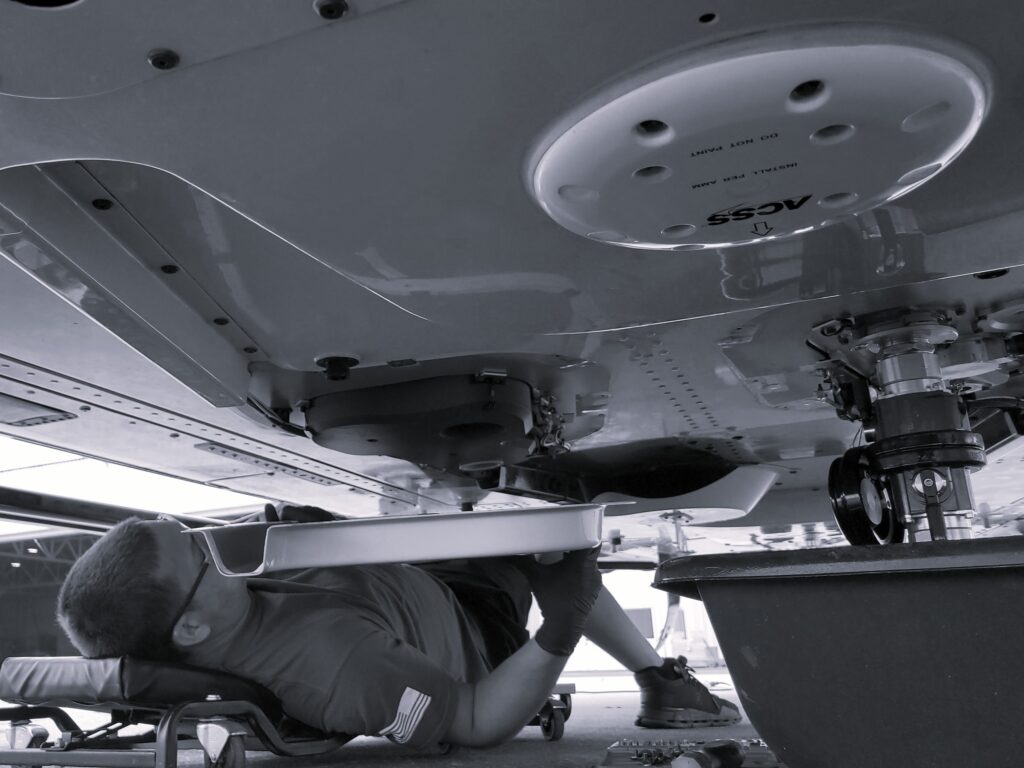
- Education Partnerships: Institutions are expanding enrollment and aligning curricula with industry needs.
- Apprenticeships & Sponsorships: Paid training, mentorship, and cross-specialty programs help bridge the experience gap.
- Veteran Integration: More than 22,000 U.S. service members exit annually with aviation maintenance experience, yet only ~1,500 receive FAA certification.
- Diversity Recruitment: Organizations like the Aviation Technician Education Council (ATEC) are broadening outreach, with female enrollment rising in A&P programs despite women comprising only 2.8% of certified mechanics.
- Digital Transformation: AI tools, predictive maintenance systems, and smart diagnostics are changing technician workflows and attracting younger, tech-driven talent.
The Road Ahead
The rotorcraft technician shortage is a multifaceted challenge—but not an insurmountable one. By addressing pipeline issues, revitalizing training, and reshaping cultural attitudes toward skilled trades, the industry can build a sustainable future.
Helicopters power critical operations worldwide—and behind each flight is a technician whose expertise makes it possible. Their value is incalculable. The industry must continue investing in the people who keep rotorcraft flying.




![561043-VTOL gear up[68]-4cfacb-original-1730844164](https://magazine.maingearbox.com/wp-content/uploads/2025/07/561043-VTOL-gear-up68-4cfacb-original-1730844164-scaled.jpg)