Introduction
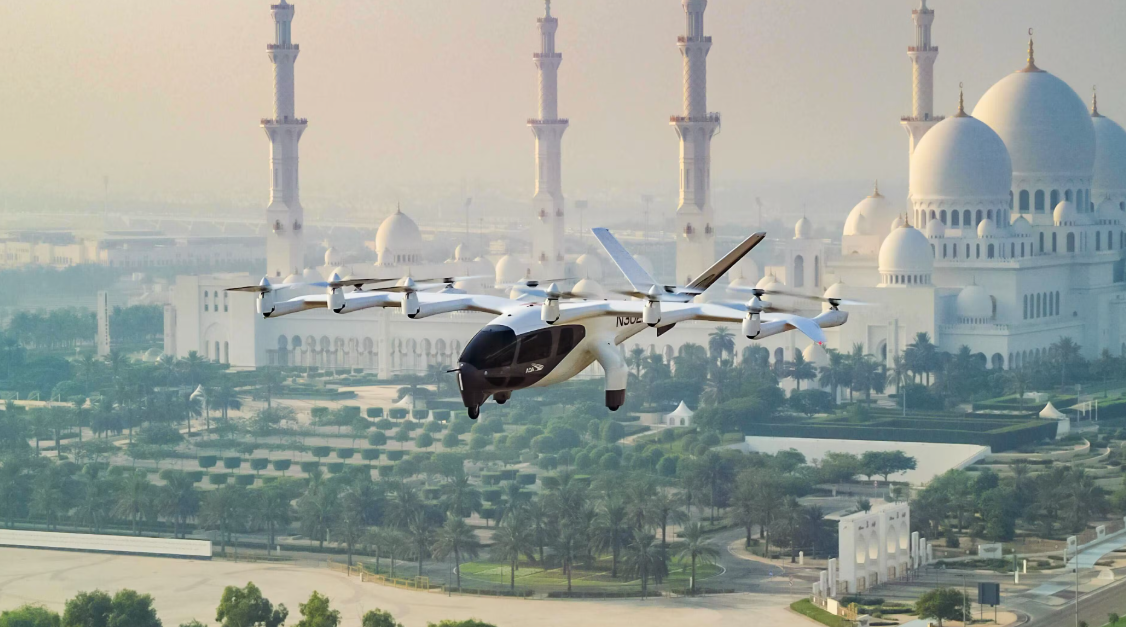
As extreme weather events intensify globally, rotorcraft are emerging as indispensable tools for disaster response logistics, delivering critical supplies to areas inaccessible by ground transport. From flash floods in South Texas to wildfires in Australia, helicopters and emerging VTOL technologies are revolutionizing how aid reaches those in need. This article explores cutting-edge innovations in rotorcraft supply delivery, highlighting their growing role in disaster response.
The Growing Need for Rotorcraft in Disaster Logistics
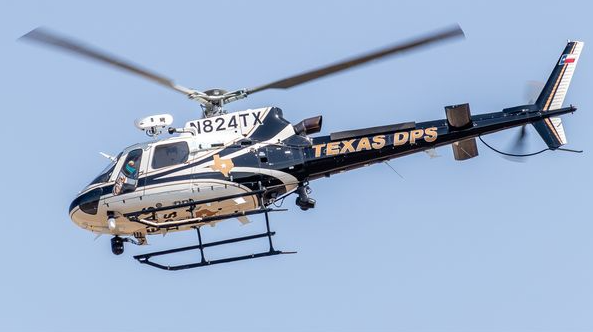
Extreme weather events, like the July 2025 South Texas floods, have underscored the importance of rotorcraft in reaching isolated communities. Unlike fixed-wing aircraft, helicopters can hover, land in confined spaces, and deliver supplies with precision. The Texas Department of Public Safety and U.S. Coast Guard used Airbus H125 and MH-65 Dolphin helicopters to deliver food, water, and medical supplies to over 850 people stranded in Kerr County, demonstrating rotorcraft’s unmatched versatility.
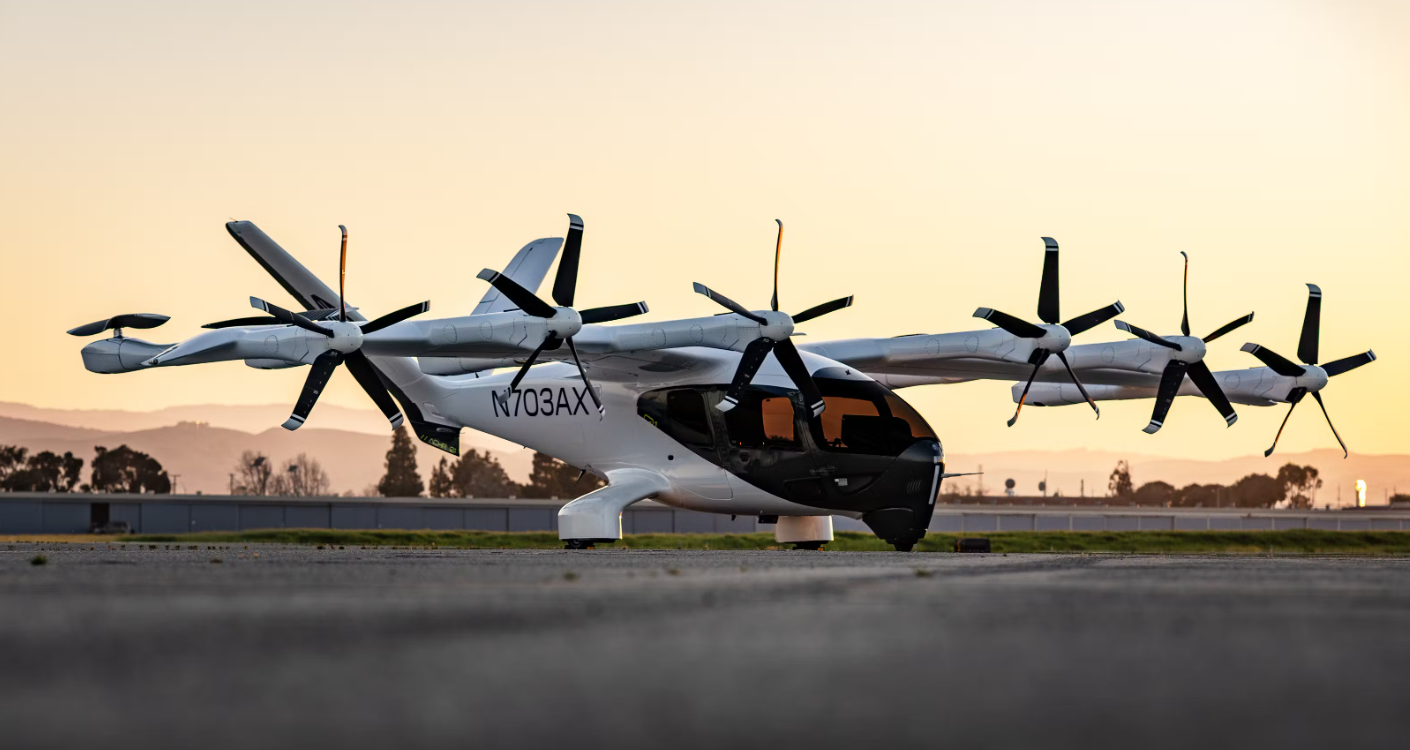
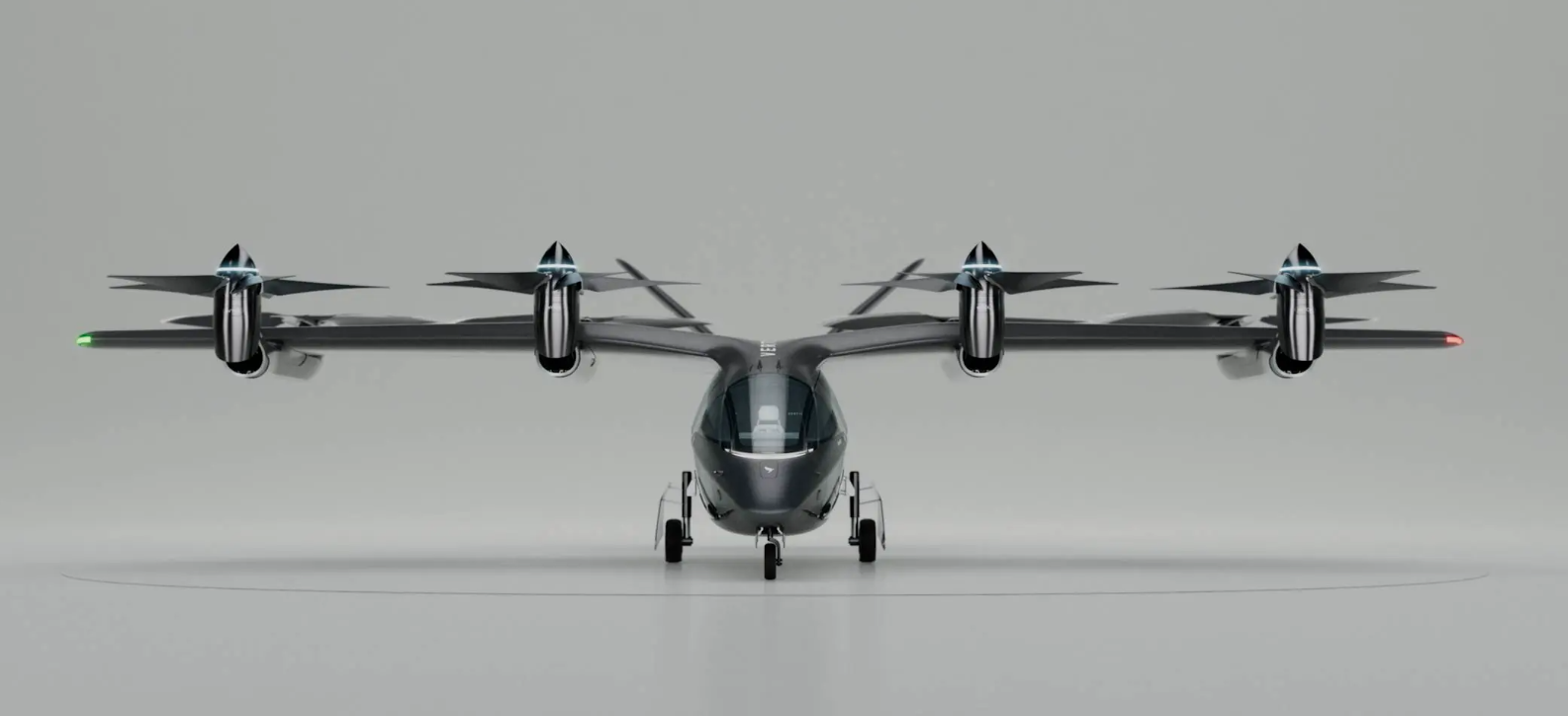
Beyond traditional helicopters, the rise of eVTOLs and autonomous rotorcraft is expanding capabilities. These platforms can operate in challenging conditions, reducing risks to human pilots while ensuring rapid response times.
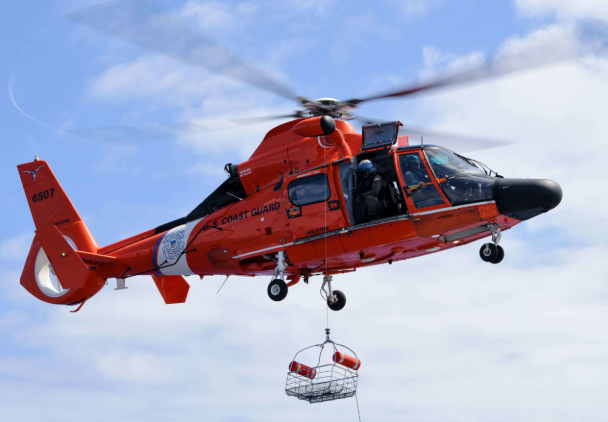
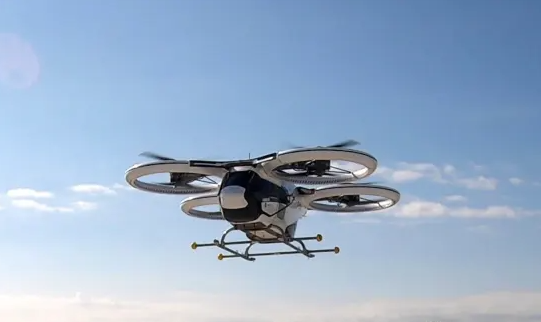
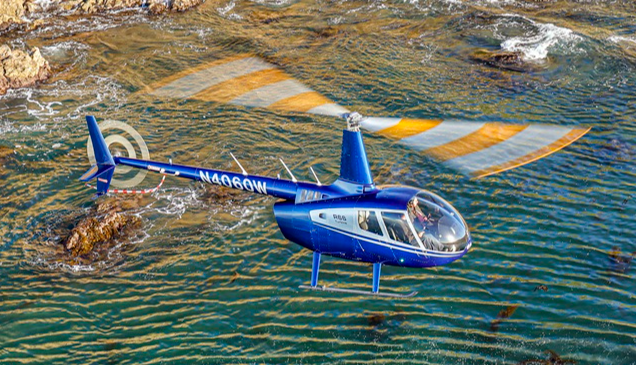
From traditional helicopters to eVTOLs, rotorcraft are evolving to meet the demands of disaster logistics.
Innovations Driving Disaster Response
Autonomous Delivery Systems
Autonomous rotorcraft, equipped with advanced sensors and AI, are transforming disaster logistics. Companies like Airbus are testing systems like the FlightLab H130, which features lidar-based obstacle detection and autonomous takeoff and landing. These technologies enable rotorcraft to navigate debris-strewn environments, delivering supplies without requiring human intervention. For example, trials in 2025 have shown autonomous drones delivering medical kits to flood zones with 95% accuracy.


Airbus’s FlightLab H130
Modular Cargo Solutions
New modular cargo systems allow rotorcraft to adapt quickly to diverse needs. Bell’s 525, nearing certification in 2025, includes reconfigurable cargo bays that can switch between medical supplies, food pallets, and rescue equipment in under an hour. This flexibility is critical in dynamic disaster scenarios where needs evolve rapidly.
Hybrid-Electric Propulsion
Sustainability is a growing focus, even in disaster response. Hybrid-electric rotorcraft, like those tested in Airbus’s DisruptiveLab, offer extended range and reduced fuel consumption. In 2023, DisruptiveLab logged 42 hours of flight time, achieving up to 50% emissions reductions. These advancements allow rotorcraft to make multiple supply runs without refueling, critical in remote disaster zones.
Case Study: South Texas Floods
In July 2025, rotorcraft played a pivotal role in the South Texas flood response along the Guadalupe River. The Airbus H125, known for its agility, delivered insulin and emergency blankets to stranded elderly residents, while the Coast Guard’s MH-65 Dolphin airlifted water purification kits to temporary shelters. These operations highlight how rotorcraft bridge the gap when roads and bridges are washed out, ensuring timely aid delivery.
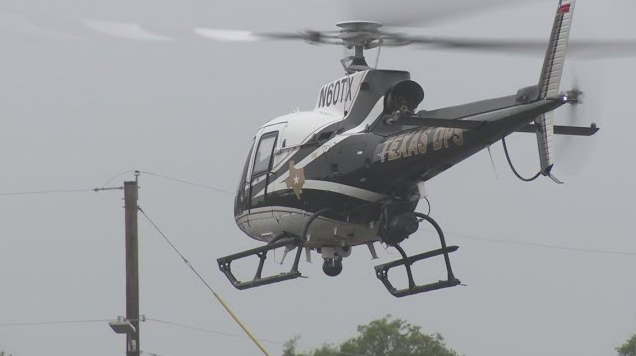
An Airbus H125 in support during the 2025 South Texas floods, showcasing rotorcraft’s vital role in disaster response.
Challenges and Future Outlook
Despite their advantages, rotorcraft face challenges in disaster logistics. High operational costs and the need for skilled pilots remain barriers, though autonomous systems are mitigating the latter. Regulatory hurdles also slow the adoption of eVTOLs in emergency roles, with certification processes lagging behind technological advancements.
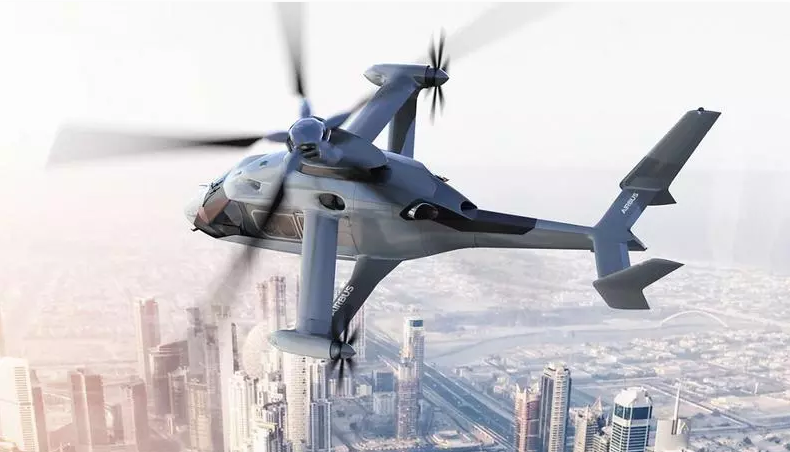
Looking ahead, the rotorcraft industry is poised for growth in this niche. Investments in urban air mobility (UAM) and autonomous systems, projected to reach $10 billion by 2030, will enhance disaster response capabilities. Collaborative efforts, like the Next Generation Rotorcraft Capability (NGRC) program in Europe, aim to develop high-speed, versatile platforms for both military and civilian applications, including disaster relief.
Conclusion
Rotorcraft are redefining disaster response logistics, combining precision, versatility, and innovation to deliver aid where it’s needed most. As autonomous systems, modular designs, and hybrid propulsion advance, these aircraft will play an even larger role in addressing the challenges of a changing climate. Stay tuned to Rotorcraft Magazine for updates on how these technologies shape the future of emergency response.
Visit Rotorcraft News for breaking rotorcraft news, and stay connected with the Rotorcraft Network.



![561043-VTOL gear up[68]-4cfacb-original-1730844164](https://magazine.maingearbox.com/wp-content/uploads/2025/07/561043-VTOL-gear-up68-4cfacb-original-1730844164-scaled.jpg)