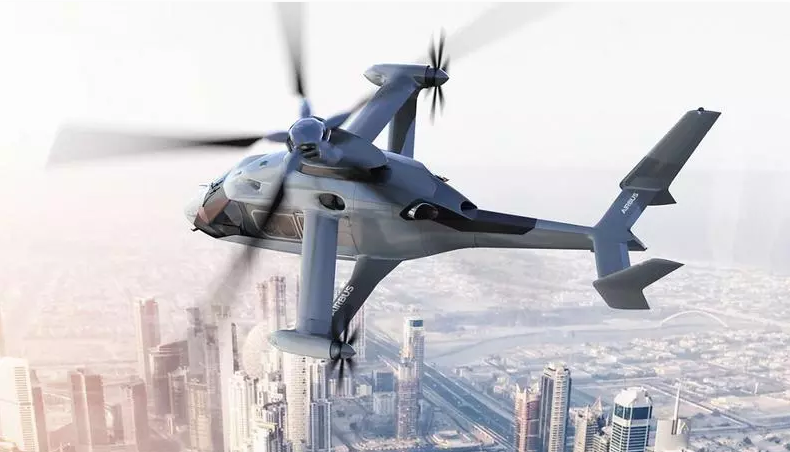
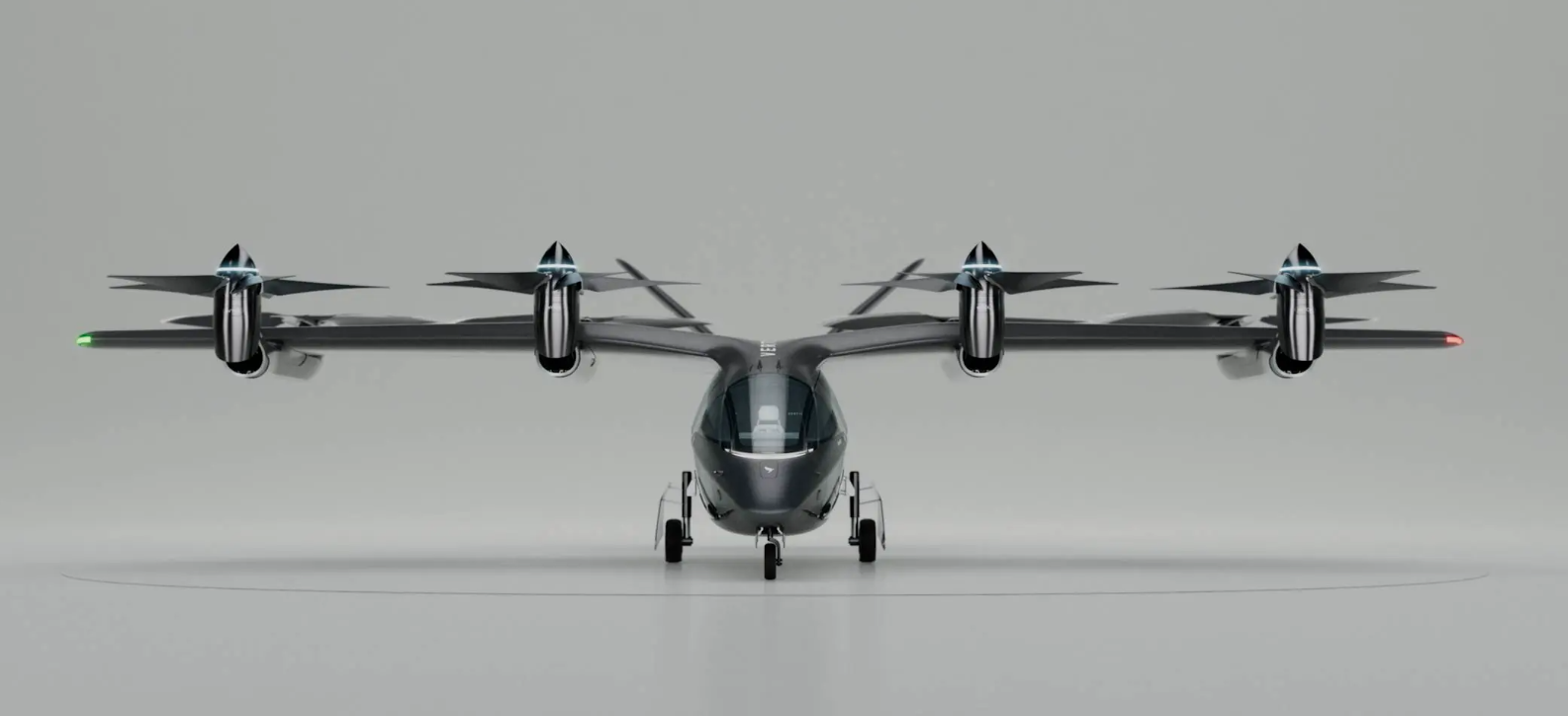
In 2025, eVTOL Urban Air Mobility marks a transformative milestone as electric vertical takeoff and landing aircraft (eVTOLs) shift from prototypes to early commercial deployment. These electric-powered aircraft, capable of vertical takeoffs and landings, offer a quieter, sustainable, and faster alternative to ground transportation for short- to medium-range travel within and between cities. By addressing urban congestion, eVTOLs are redefining transportation, as explored in our guide to future mobility solutions.
Key Developments in eVTOL Urban Air Mobility for 2025
Early Commercial Launches
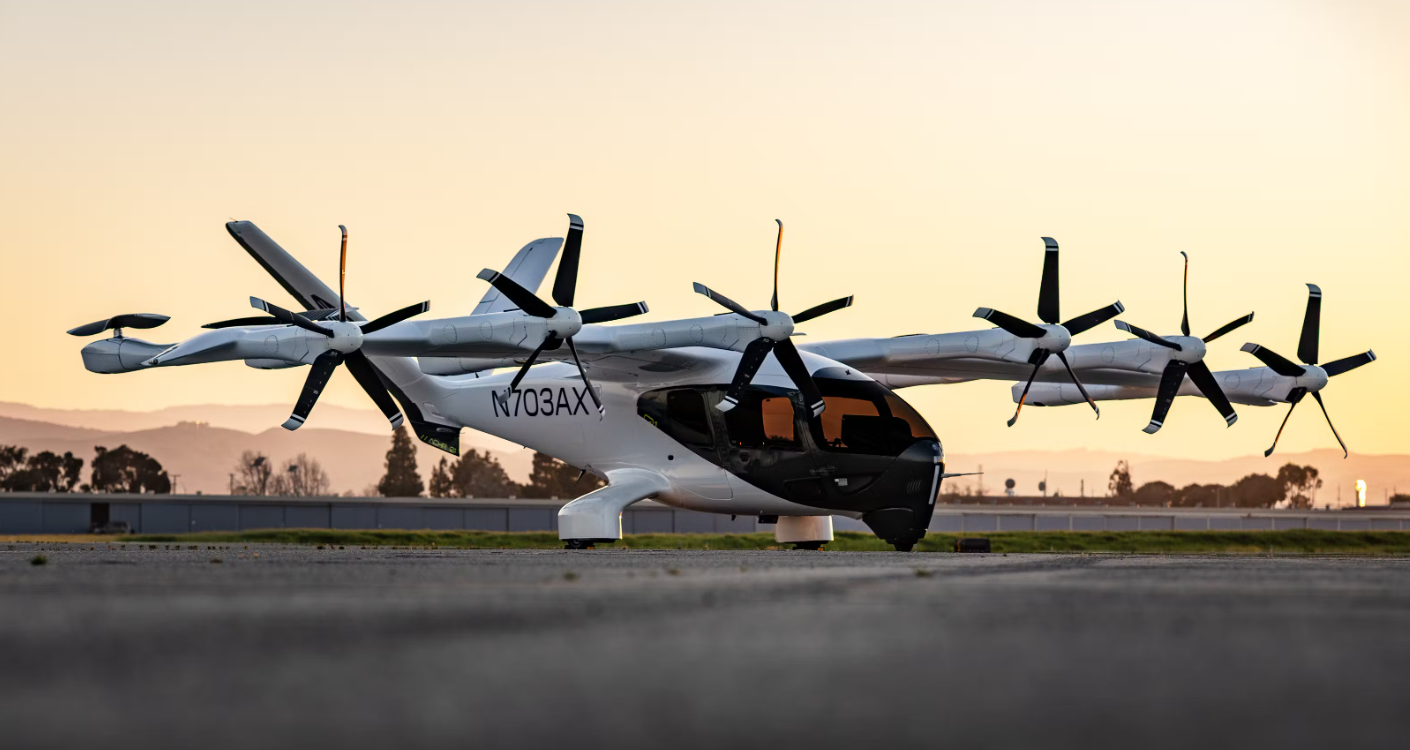
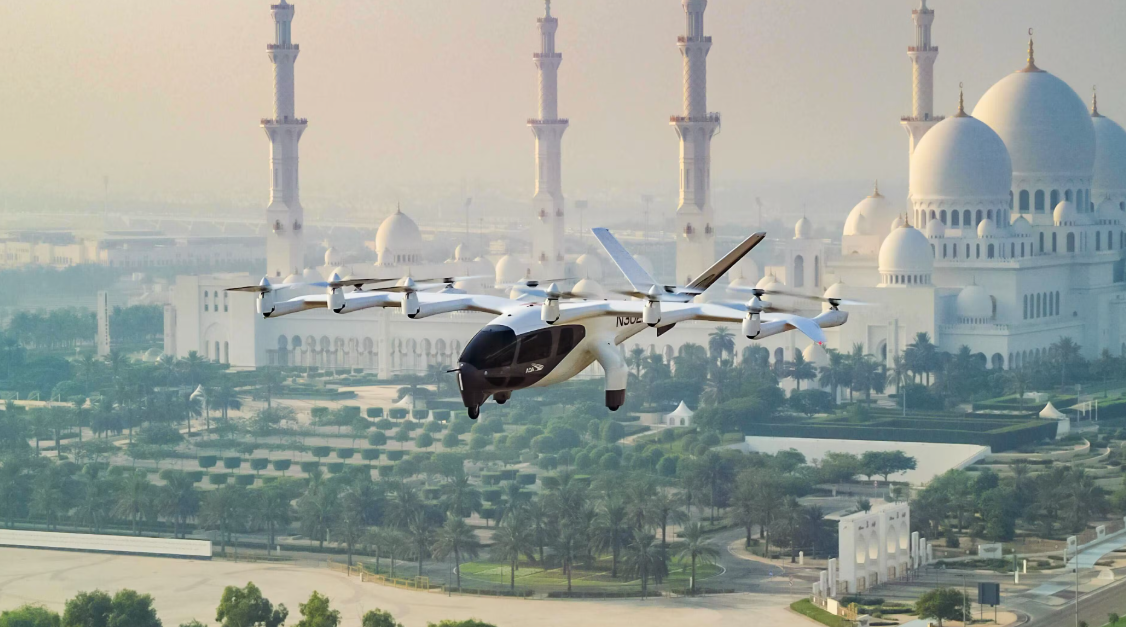
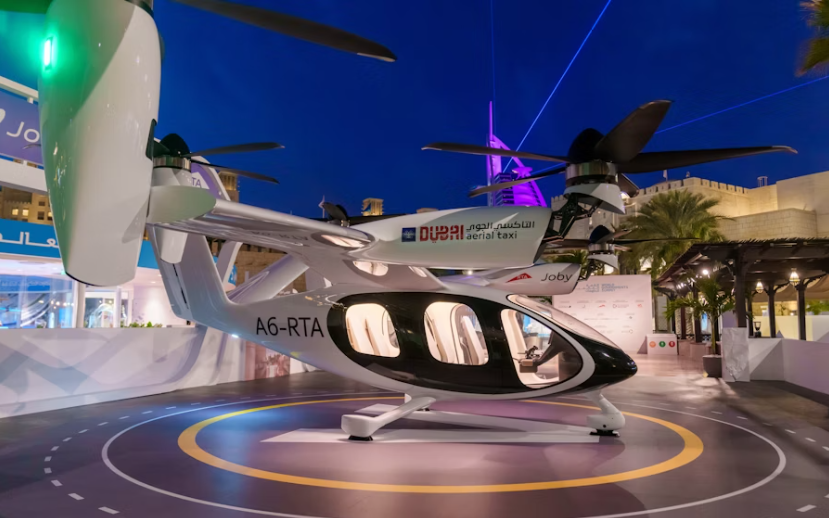
The eVTOL Urban Air Mobility industry is advancing with pilot programs and limited commercial services. Abu Dhabi, partnering with Archer Aviation, is set to launch the world’s first commercial eVTOL air taxi service in late 2025. Moreover, in China, EHang has initiated operations, focusing on aerial sightseeing in cities like Guangzhou and Shenzhen. In the US, Joby Aviation and Archer Aviation are targeting rollouts in 2025–2026, with services planned in New York, Los Angeles, Miami, and San Francisco. In Europe, Lilium is advancing regional connectivity in Germany and France with its jet-powered eVTOL.

Regulatory Progress for eVTOL Urban Air Mobility
A robust regulatory framework is critical for eVTOL Urban Air Mobility. Authorities classify eVTOLs as “powered-lift” aircraft and are developing tailored guidelines. The Federal Aviation Administration (FAA) has introduced the Special Federal Aviation Regulation (SFAR) to streamline certification, while the European Union Aviation Safety Agency (EASA) has established Special Condition for VTOL (SC-VTOL) standards. China’s Civil Aviation Administration of China (CAAC) granted EHang the world’s first eVTOL type certificate in 2023. The International Civil Aviation Organization (ICAO) fosters global standards for interoperability and safety.
Infrastructure Development
Scaling eVTOL Urban Air Mobility requires vertiports for takeoffs, landings, and charging. In 2025, global efforts are accelerating:
- New York City is transforming the Downtown Manhattan Heliport into a vertiport hub, set for 2026 operations.
- Dubai, with Joby Aviation, is building a vertiport network to integrate air taxis.
- Singapore collaborates with Volocopter for passenger and cargo vertiports.
- Los Angeles plans vertiport networks to connect LAX and downtown areas.
Air traffic management systems, like NASA’s UAM Airspace Management and EASA’s U-space, ensure safe integration into low-altitude airspace.

Technological Advancements
Innovations are enhancing eVTOL Urban Air Mobility:

- Battery Technology: Improved energy density (lithium-ion and solid-state batteries) extends ranges to 100–200 miles.
- Electric Propulsion: High-efficiency motors and distributed propulsion reduce noise, with Beta Technologies achieving sub-60-decibel hover levels.
- Autonomous Flight: AI and sensor advancements enable semi- and fully autonomous operations, as seen in EHang’s pilotless eVTOLs.
- Materials and Design: Lightweight composites and aerodynamic designs improve efficiency.
Industry Consolidation and Investment
High development costs ($1–2 billion per program) are driving consolidation in eVTOL Urban Air Mobility. Leaders like Joby, Archer, Lilium, and EHang secure investments from Boeing, Airbus, Toyota, and United Airlines. Mergers absorb smaller startups, with key players dominating in 2025.
Challenges Facing eVTOL Urban Air Mobility
Despite progress, hurdles remain:
Certification Delays
Meeting safety standards is complex, potentially delaying US and European operations to 2026 or beyond, unlike China’s faster certification.
Public Acceptance
Gaining trust requires addressing noise, safety, and visual concerns. Archer’s Midnight eVTOL, with noise levels like a quiet conversation, helps mitigate urban impact.
Infrastructure Gaps
Vertiport development ($5–20 million each) and zoning challenges lag behind vehicle progress. Equitable access across communities is also a concern. The development of Urban Air Mobility (UAM) and Advanced Air Mobility (AAM) systems, while promising technological innovations in electric vertical takeoff and landing (eVTOL) aircraft, faces several significant hurdles related to ground infrastructure, zoning, and equitable access.
Technical Limitations
Battery limitations cap ranges at 100–150 miles and payloads at 4–6 passengers. Extreme weather poses operational challenges.
Cost and Accessibility
Initial services may be premium-priced, limiting access. Joby and Archer aim to compete with ridesharing costs soon, but affordability in 2025 is uncertain.
The Future of eVTOL Urban Air Mobility
In 2025, eVTOL Urban Air Mobility lays the foundation for transformative growth. Collaborative efforts among industry, regulators, and communities are critical to building a safe, sustainable transportation ecosystem. Furthermore, Morgan Stanley estimates a $23.5 billion UAM market by 2030, potentially reaching $1 trillion by 2040. eVTOLs could reduce urban congestion with on-demand air taxis, enhance regional connectivity, support sustainable logistics via cargo eVTOLs, and improve access in remote areas. As Abu Dhabi, Dubai, and New York lead, global adoption depends on innovation, regulatory harmony, and partnerships. Ultimately, the eVTOL Urban Air Mobility industry is set to revolutionize transportation in the decades ahead.





![561043-VTOL gear up[68]-4cfacb-original-1730844164](https://magazine.maingearbox.com/wp-content/uploads/2025/07/561043-VTOL-gear-up68-4cfacb-original-1730844164-scaled.jpg)