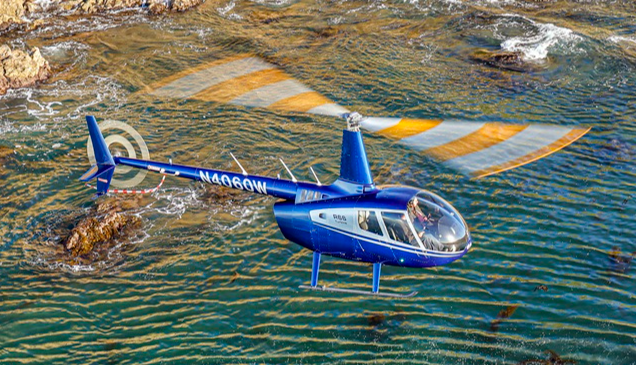
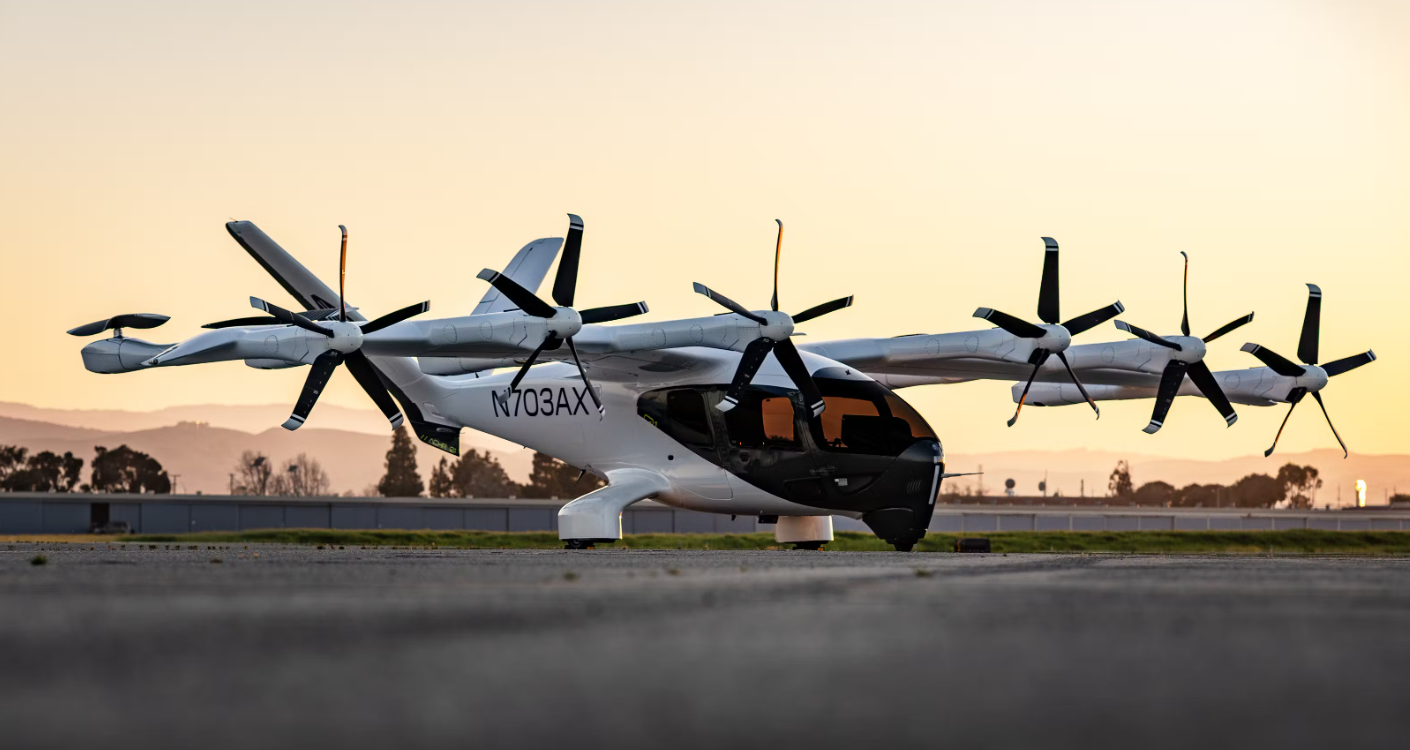
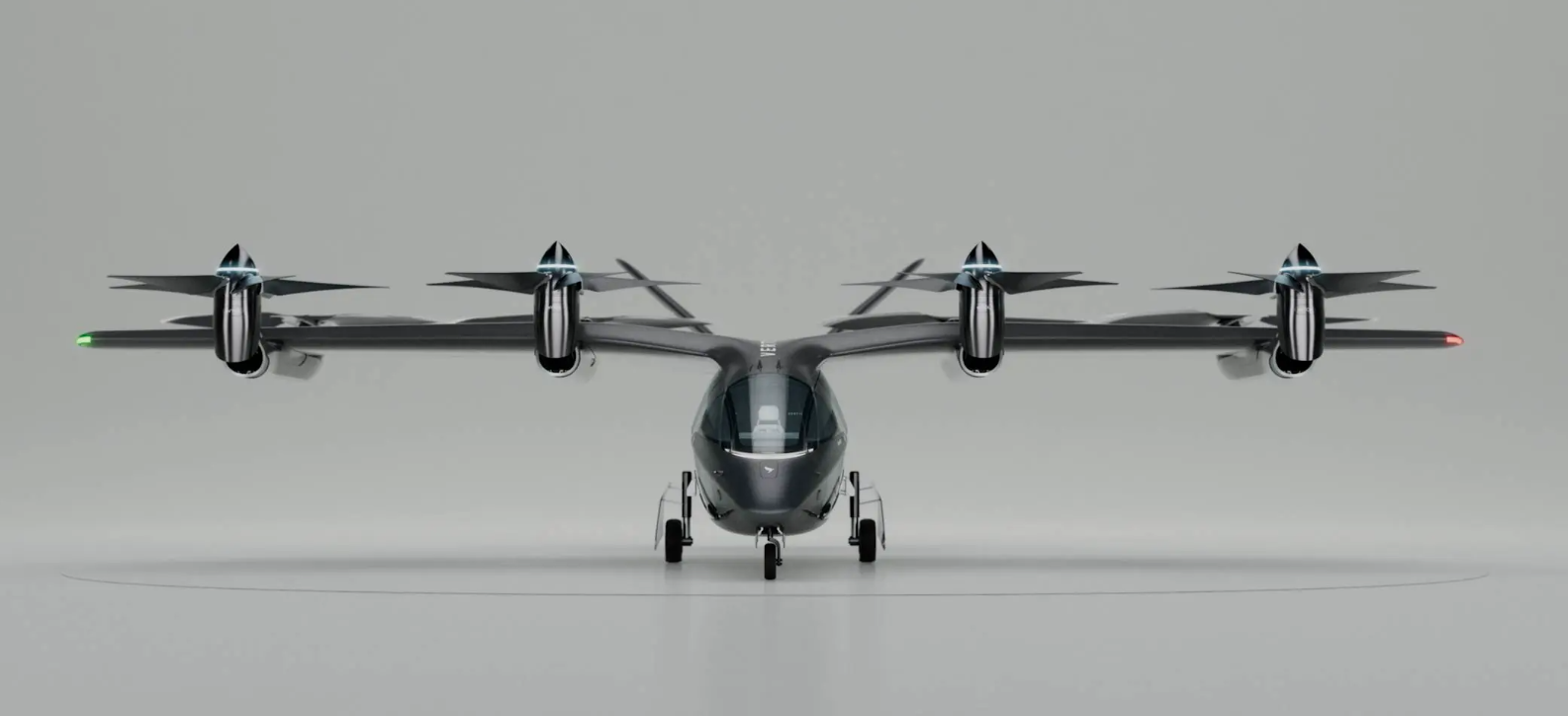
Purchasing a helicopter is a thrilling milestone, delivering unparalleled freedom, versatility, and excitement in personal, business, or utility flying. Yet the real commitment begins after the sale. Helicopter ownership demands rigorous ongoing maintenance, thoughtful preservation during low-use periods, and proactive collaboration with the manufacturer to sustain airworthiness, safety, and value. Under FAA regulations (primarily 14 CFR § 91.403), the owner/operator holds primary responsibility for ensuring the aircraft remains airworthy—no exceptions.
Prospective and current owners must prioritize due diligence: Has the helicopter been properly maintained? What insights can the manufacturer provide? Have you verified its history and condition through direct contact and expert inspection?
Planning to Buy: Thorough Due Diligence Is Non-Negotiable
Before committing, conduct comprehensive pre-purchase due diligence. A helicopter’s true value lies in its condition, not just the sticker price—poor upkeep can lead to safety risks, massive repair bills, or diminished resale value.
Key steps include:
- Reviewing complete maintenance records for consistency, recent inspections, repairs, AD compliance, and component times (e.g., life-limited parts like rotors, transmissions, and engines).
- Understanding the aircraft’s operational history (hours flown, mission types, storage conditions).
- Verifying airworthiness through a detailed pre-purchase inspection by independent, certified technicians—ideally at a factory-authorized service center for your model (e.g., Robinson, Bell, or Airbus Helicopters).
- Checking for conformity to FAA and OEM standards.
A solid pre-buy, including logbook scrutiny and physical assessment, uncovers hidden issues and helps forecast upcoming costs like overhauls.

Has the Helicopter Been Maintained Properly?
Maintenance is the cornerstone of safe helicopter operation. Helicopters endure unique stresses on rotors, drivetrains, and dynamic components, requiring more frequent and specialized care than fixed-wing aircraft.
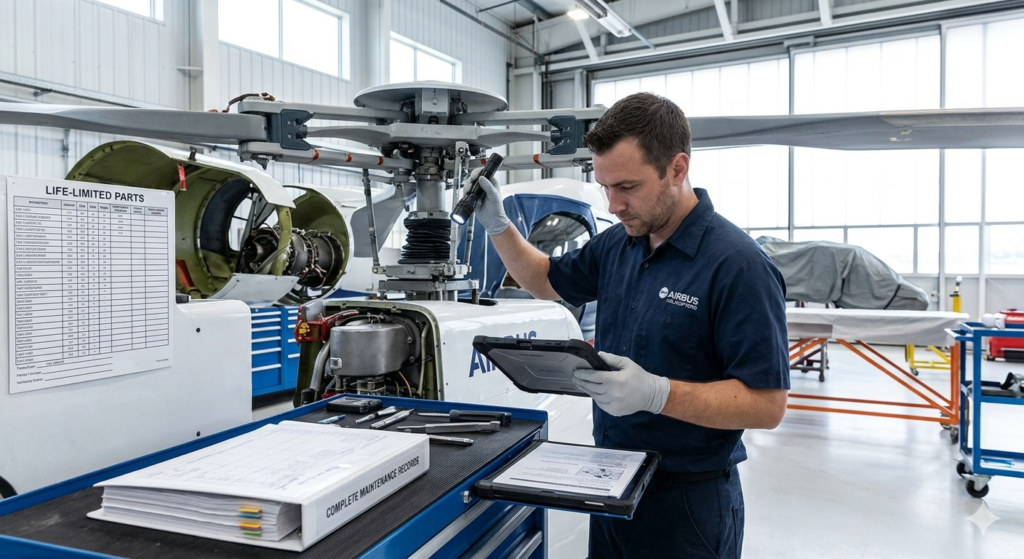
Follow FAA minimums and manufacturer schedules:
- Annual inspections — Every 12 calendar months by an IA mechanic (FAR 91.409).
- 100-hour inspections — If used for hire or training (FAR 91.409); many owners perform them routinely due to high wear.
- Progressive programs — Available for some models, spreading inspections over time.
- Airworthiness Directives (ADs) and service bulletins — Track and comply; helicopters often face frequent ADs on critical systems.
- Component overhauls — Strict TBOs (e.g., 2,000–5,000 hours for engines, gearboxes, blades) or “on-condition” monitoring.
- Preventive maintenance — Limited owner-performed tasks (e.g., oil changes, tire servicing per FAR Part 43 Appendix A).
Partner with a trusted, factory-trained A&P/IA or authorized service center. Meticulous record-keeping is essential—retain inspection entries, AD status, and life-limited part times indefinitely (FAR 91.417).
Preservation: Protecting Your Investment During Inactivity
Helicopters are especially vulnerable to corrosion, moisture damage, and component degradation when not flown regularly—common for private owners averaging low hours.
Effective preservation practices include:
- Engine fogging with preservative oil, desiccant plugs in cylinders, and sealing intakes/exhausts.
- Applying corrosion inhibitors to metal surfaces, rotor hubs, and blades.
- Using protective covers for blades, pitot tubes, and exposed areas.
- Storing in a climate-controlled hangar (preferred) or secure tie-down; clear drainage holes to prevent water pooling.
- For long-term storage, employ vacuum-sealed moisture barrier kits or enclosures to block humidity, UV, dirt, and pests—proven to prevent corrosion for years.
Regular checks during storage (e.g., fluid levels, battery charging, visual inspections) prevent hidden issues like rust in transmissions or blade pitting, preserving safety and resale value.
The Manufacturer’s Critical Role: Reach Out Early and Often
Manufacturers (e.g., Robinson, Bell, Airbus Helicopters) hold invaluable model-specific knowledge: Instructions for Continued Airworthiness (ICA), updated manuals, service bulletins, known issues, and compliance guidance.
Proactively contact them—even if they don’t hold detailed maintenance logs for individual aircraft. Reaching out remains highly valuable: They can verify the serial number, provide general model information, highlight pending bulletins or ADs, and share best practices for maintenance and preservation.
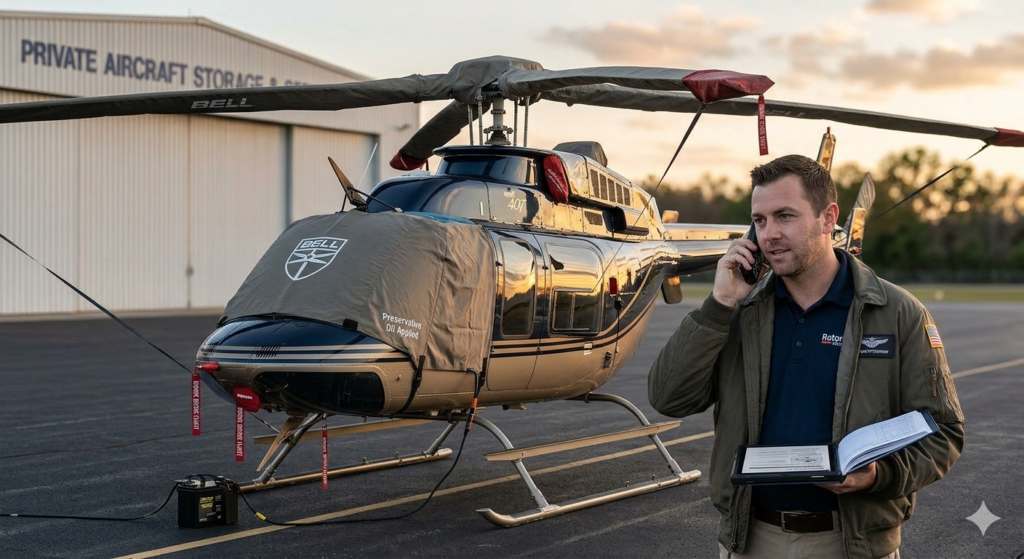
For pre-owned helicopters, cross-reference seller-provided records with manufacturer data where possible. This ensures you’re using approved procedures, especially for complex repairs or limitations.
Many models require factory-authorized facilities for certain work to maintain compliance, warranties, and insurance.
The Ongoing Commitment of Helicopter Ownership
Ownership means constant vigilance: routine inspections, schedule adherence, certified technician partnerships, and manufacturer collaboration. Budget realistically—maintenance often runs $200–$500+ per hour (including reserves for overhauls), with annual costs easily exceeding $50,000–$100,000+ for mid-size models depending on usage and type.
Neglect invites hazards, regulatory violations, or financial strain. Proactive owners who track everything, preserve diligently, and stay connected enjoy reliable, enjoyable flying.
Conclusion
Buying a helicopter is exciting—but true ownership success hinges on diligent maintenance, smart preservation, transparent records, and active manufacturer engagement. Approach it with the responsibility it deserves: Treat your helicopter as the valuable, complex asset it is. With proper care, it delivers years of safe, rewarding flights.
To further support your journey, tap into valuable rotorcraft community resources like MainGearbox, the hub for rotorcraft news, tools, and industry insights via their Rotorcraft Magazine. Connect with fellow owners, pilots, and professionals through the Rotorcraft Network, a dedicated online community for sharing knowledge, collaboration, and networking. For finding trusted services, maintainers, operators, and more, explore the comprehensive Rotorcraft Directory—your go-to resource for locating rotorcraft businesses and experts worldwide.
Consult FAA resources, join type-specific clubs, or contact manufacturers directly to build a strong foundation. Safe flying starts long before takeoff—stay informed, stay connected, and keep your helicopter airworthy.
#HelicopterOwnership #HelicopterMaintenance #Rotorcraft #AviationTips #PrivateHelicopter





![561043-VTOL gear up[68]-4cfacb-original-1730844164](https://magazine.maingearbox.com/wp-content/uploads/2025/07/561043-VTOL-gear-up68-4cfacb-original-1730844164-scaled.jpg)